
Why Grow Bags Are the Best Defence Against Soil-Borne Plant Diseases
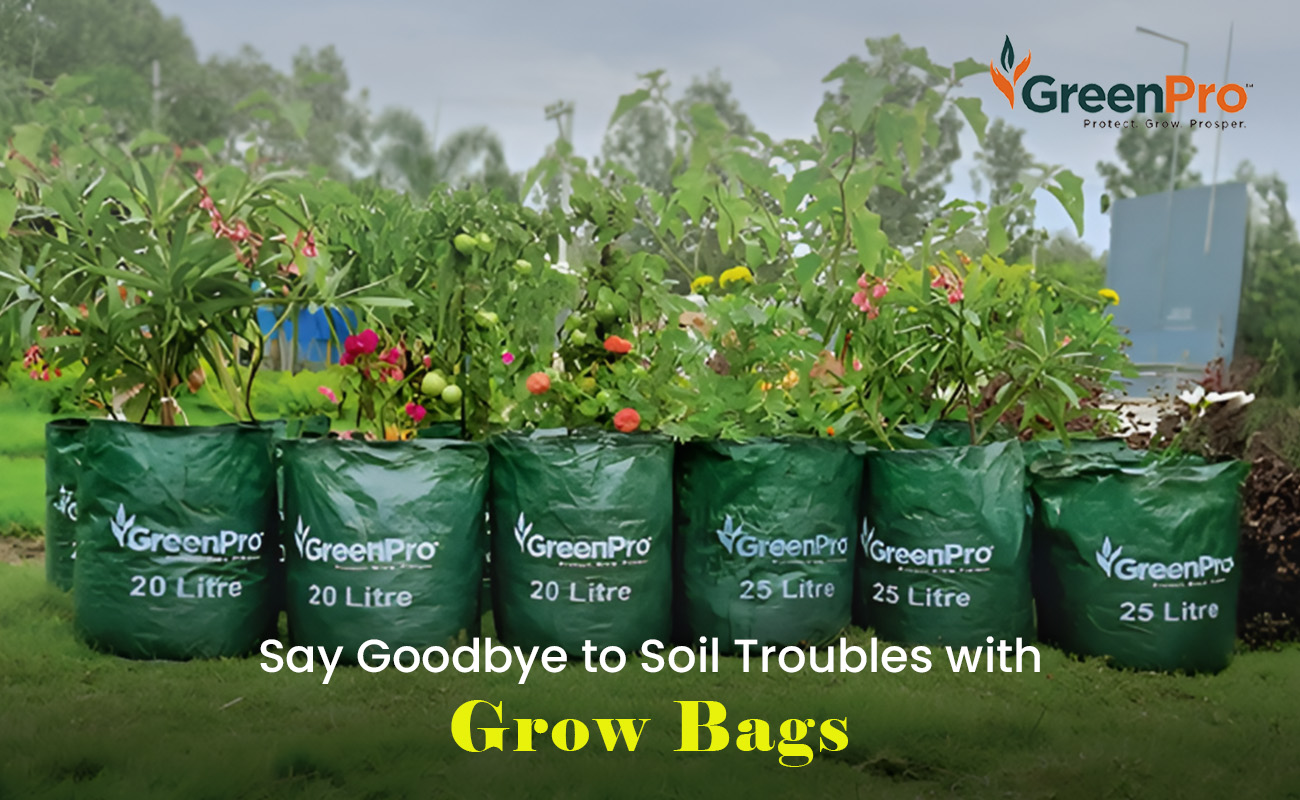
For every home gardener or urban farming enthusiast, few things are as heartbreaking as watching your plants struggle due to soil-borne diseases. You’ve watered them right, placed them where the sun kisses them just enough, and still, the leaves yellow or wilt mysteriously. The culprit? Often, it’s the invisible threat hiding in the soil — fungi, bacteria, and pathogens that linger and attack silently. This is exactly where grow bags come in as a game-changer.
Traditional gardening in open soil comes with its own share of risks. Over time, soil becomes a breeding ground for pathogens like fusarium, nematodes, and pythium. These invaders not only affect plant health but also reduce yield significantly especially in vegetables and flowering plants. Once the soil is contaminated, it becomes incredibly difficult to get rid of these diseases without heavy use of chemicals or a complete change of soil, which is neither eco-friendly nor practical.
Why Grow Bags Offer a Healthier Alternative?
Grow bags have emerged as one of the most efficient and sustainable ways to grow plants, especially in urban settings. But their benefits extend far beyond just space-saving or portability. One of their most significant advantages is disease control.
Here’s how they help:
- Isolated Growing Medium
Grow bags allow you to control what your plants grow in. Instead of depending on uncertain garden soil, you can fill your grow bag with a healthy, sterile mix of compost, cocopeat, perlite, and organic nutrients. This reduces the chances of exposure to pre-existing diseases in the ground.
- Improved Drainage and Aeration
Unlike pots, grow bags are breathable. They allow excess water to drain easily and let air circulate through the root zone. This prevents waterlogging, a major contributor to root rot and fungal infections.
- One Plant, One Bag
Another great defense strategy is simple: isolation. When you plant each vegetable or flowering plant in a separate bag, the chances of cross-contamination reduce dramatically. Even if one plant gets affected, it won’t easily spread to others.
- Easier Crop Rotation and Soil Refresh
In traditional beds, practicing crop rotation means rearranging your entire garden layout. But with grow bags, you simply change the soil mix or swap the crop in a different bag the next season. This flexibility prevents long-term buildup of diseases that thrive on specific crops.
Gardening Without Guesswork
What makes grow bags perfect for disease prevention is the control they offer. There’s no second-guessing what’s hiding beneath your plants. You manage the mix, moisture, and even the bag placement, giving your greens the healthiest possible start.
And let’s not forget convenience. During the rainy season, when garden beds turn muddy or unusable, grow bags shine. You can elevate them, shift them to better-lit corners, or even bring them indoors temporarily to avoid waterborne fungi that flourish in stagnant puddles.
A Smarter Way to Grow
As more urban gardeners and organic enthusiasts turn toward sustainable solutions, grow bags are taking center stage not just as an aesthetic trend but as a smart, long-term choice. They combine the best of controlled growing with mobility and hygiene, helping you protect your plants from the very ground beneath them.
So when you plan your garden, choose grow bags for a clean, disease-free start.
Switch to GreenPro Grow Bags—smart, sustainable, and built to last.