
Benefits of Mulch Films in Protecting Crops from Early Frost
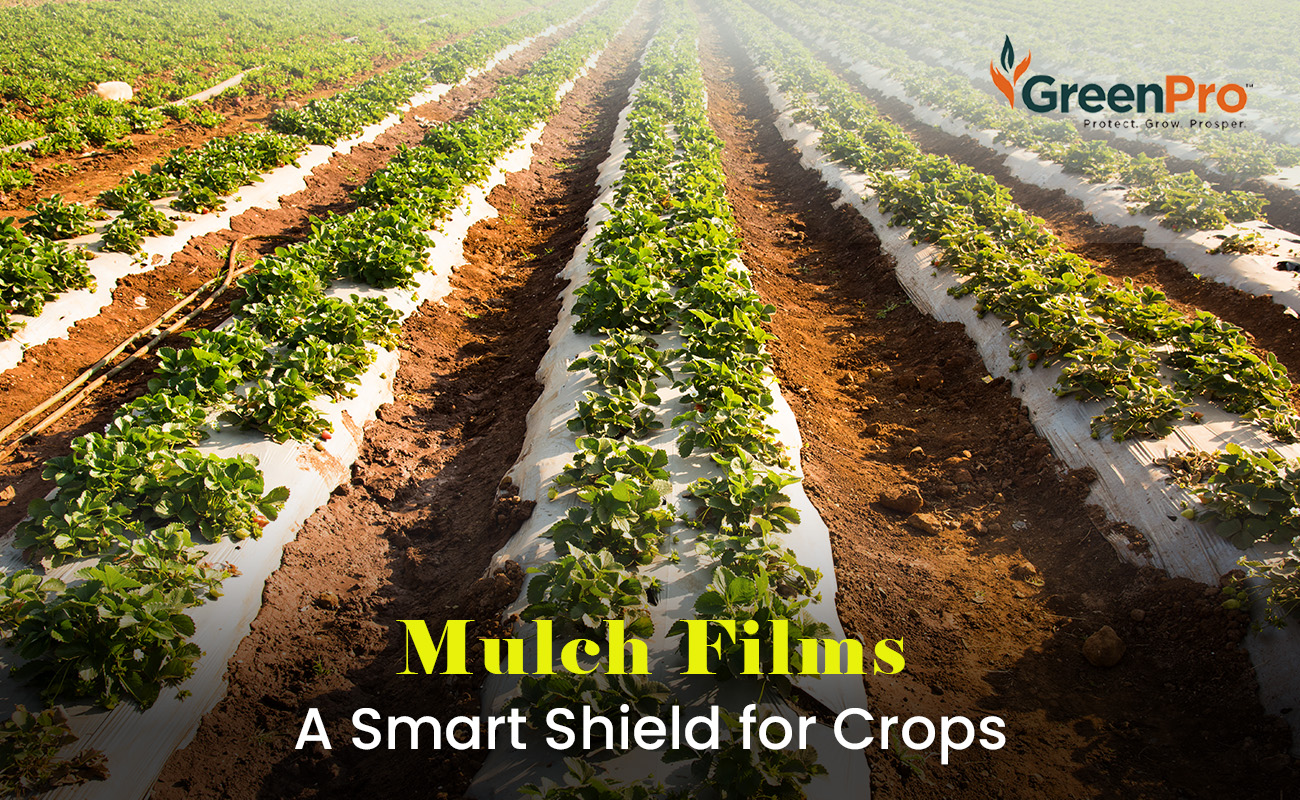
Early frost is one of the biggest threats to agricultural productivity. Even a single night of unexpected frost can damage tender plants, delay growth, and reduce yield. Farmers worldwide are increasingly turning to mulch films, a simple yet powerful tool, to shield crops from cold spells. Beyond frost protection, mulch films offer a wide range of agronomic benefits that support healthy and sustainable farming.
What Are Mulch Films?
Mulch films are thin sheets, usually made from polyethylene or biodegradable materials, spread over the soil surface. Crops grow through small holes in the film, while the soil underneath remains covered. This covering helps in regulating temperature, conserving moisture, and reducing weed growth.
Different types of mulch films serve different purposes:
- Black mulch films absorb solar radiation, keeping the soil warm and inhibiting weed growth.
- Transparent mulch films allow sunlight to penetrate, increasing soil temperature—ideal for cold climates.
- Silver or reflective mulch films help deter pests while maintaining balanced soil heat.
- Biodegradable mulch films decompose naturally, reducing plastic waste and promoting eco-friendly practices
How Mulch Films Protect Crops from Frost
Frost protection is one of the lesser-known but highly valuable benefits of mulch films. Here’s how they work:
- Thermal Insulation:
These trap the heat absorbed by the soil during the day and slow down heat loss during cold nights. This creates a microclimate around the plant’s root zone, maintaining temperatures a few degrees higher than the surrounding air—enough to prevent frost damage.
- Thermal Insulation:
- Reduced Temperature Fluctuation:
By stabilizing the temperature between day and night, these films prevent sudden cold shocks that can harm roots and young shoots.
- Reduced Temperature Fluctuation:
- Minimized Frost Formation:
A covered soil surface loses less heat through radiation, which reduces the chance of frost crystals forming on or near the crop base.
- Minimized Frost Formation:
- Extended Growing Season:
Warmer soil conditions allow farmers to plant earlier in spring and harvest later in autumn, effectively extending the growing window and increasing productivity.
- Extended Growing Season:
Additional Benefits Beyond Frost Protection
They do much more than fight frost—they enhance overall crop performance. Some key advantages include:
- Moisture Retention: By reducing evaporation, it helps conserve water, which is particularly beneficial in arid and semi-arid regions.
- Weed Suppression: The films block sunlight from reaching weed seeds, minimizing weed growth and reducing manual labor.
- Improved Crop Quality: Stable soil temperature and moisture promote uniform growth, leading to better yield and quality produce.
- Reduced Soil Erosion and Nutrient Loss: The film barrier prevents nutrient leaching and protects the soil structure from heavy rainfall.
- Pest Management: Reflective or silver films repel certain insects, reducing pesticide dependency.
- Environmental Benefits: Modern biodegradable films decompose naturally, helping farmers maintain soil health while reducing plastic waste.
Best Practices for Using Mulch Films
To maximize the benefits of these films for frost protection and beyond:
- Select the right film type based on local climate and crop needs—transparent for colder areas, black for weed-prone zones.
- Lay the film tightly against the soil to prevent air pockets, which can trap frost.
- Install before frost-prone periods so that the soil retains adequate warmth.
- Combine with row covers or low tunnels during extreme cold for added insulation.
- Check regularly for tears or gaps to maintain consistent coverage.
- Opt for biodegradable options to support sustainable farming practices.
These films are a simple yet highly effective solution for protecting crops from early frost. By maintaining soil warmth, preventing moisture loss, and moderating temperature swings, they provide an affordable insurance against weather-related crop damage. Beyond frost control, their multiple benefits, like better yields, weed suppression, and improved soil-health make them a must-have for modern, climate-smart farming.
In essence, investing in mulch films means investing in resilience, helping crops withstand nature’s extremes while promoting sustainable and productive agriculture.