
How to Increase Vegetable Yield Using Agricultural Mulch Film
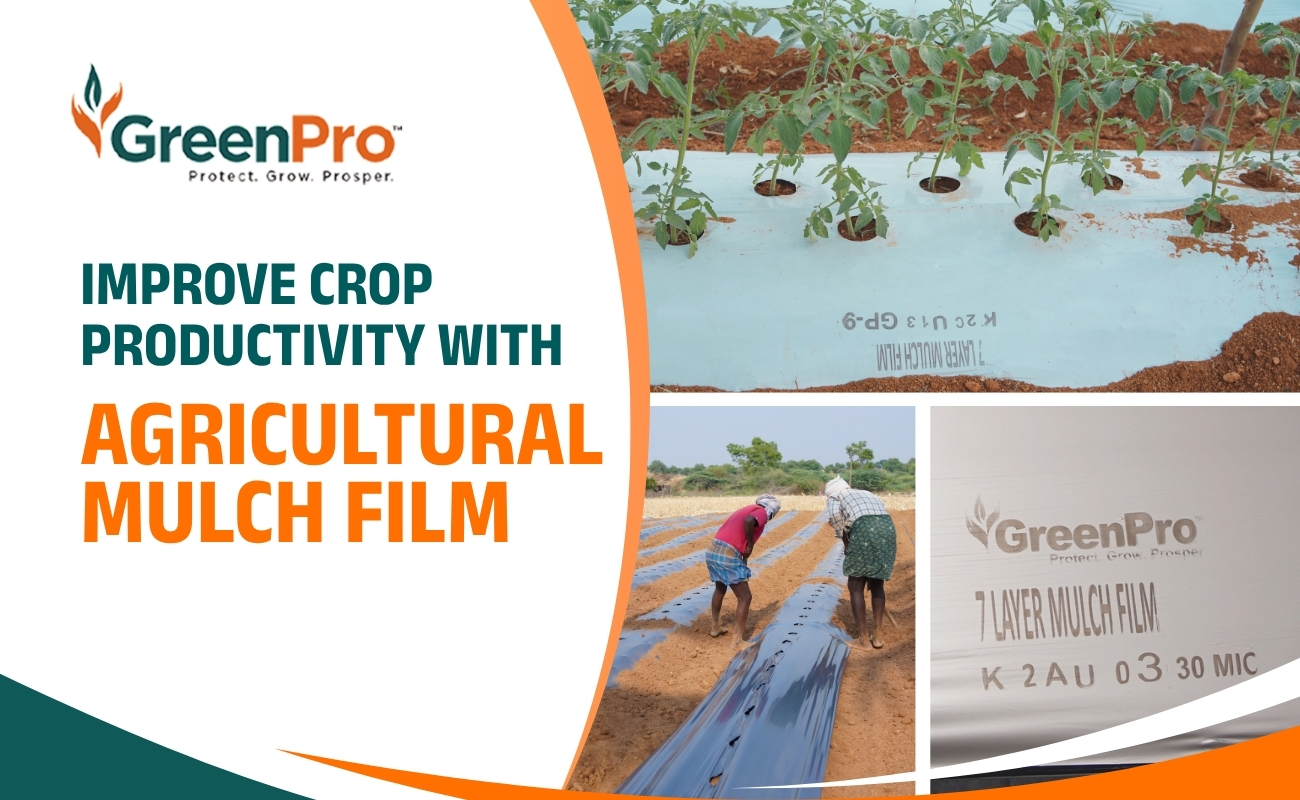
Because of the demands of both gardening and commercial vegetable cultivation, farmers must closely manage soil, water, weeds, and the overall crop microclimate. They often face serious challenges, including vigorous weed growth, rapid soil moisture loss, fluctuating temperatures, and soil-related crop stress. These problems directly affect profit margins and reduce final yields. A practical, scientifically supported solution is agricultural mulch film.
As a protective, artificially constructed soil cover, mulch film alters root-zone conditions by conserving moisture, preventing weed growth, regulating soil temperature, and significantly improving crop performance. For vegetable farmers growing high-value crops such as tomatoes, chillies, capsicums, cucumbers, watermelons, and other horticultural products, selecting the right mulch film technology is essential to reduce stress and maximise harvest quality.
What is agricultural mulch film and how does it function?
Agricultural mulch film is a polymer laid over the soil surface adjacent to plant beds; it acts as a barrier between the soil and the atmosphere, reducing direct evaporation whilst stabilising root temperatures.
Not all mulch films are the same. Traditional or low-quality native films tend to break down rapidly in intense sunlight. They are prone to tearing during installation or breaking up and entering the soil during removal, harming soil health. Modern advanced films, such as GreenPro’s 7-layer virgin-material mulch films, are designed to provide outstanding mechanical strength, stretching resilience, and field stability over a season.
How Mulch Film Improves Vegetable Yield
- Superior Moisture Management & Drought Resilience
The amount of water available determines whether vegetables will succeed. In open fields, huge quantities of irrigation water disappear each day through evaporation from the soil. By sealing the soil surface, mulch film greatly reduces moisture loss and keeps the root zone hydrated longer.
As a result, plants avoid water-stress shocks during hot summer afternoons, which encourages deep, strong root growth and effective nutrient absorption.
- Achieve full weed control with no light transmission.
Weeds take from crops the water, sunlight, and nutrients that are essential to them, which is why manual weeding has to be regarded as an ongoing expense of labour.
High-performance mulch films with 7-layer technology have zero light transmission; because they block the light needed for photosynthesis from reaching the soil below, weed seeds cannot germinate. You no longer need to hoe as often, and your weedicide costs drop, which lets crops access nutrients without obstruction.
- Root-Zone Temperature Stabilisation
Sudden temperature changes hinder vegetable growth and cause flowers to drop. By acting as a thermal buffer, mulch films reduce extreme heating and cooling fluctuations at the soil surface. As a result, a warm, stable micro-environment forms, promoting rapid white-root development and improving flowering, increasing fruit set, and raising total yields.
- Improved quality of produce and higher market value
Crops that are left in direct contact with bare soil tend to absorb mud, moisture, and soil-borne pathogens. Using mulch film creates a clean bed around the base of the plant, keeping fruits and leaves free from dirt. Commercial farmers can get a higher price for their produce because it is cleaner and disease-free.
The Technical Advantage: Why Material Quality Matters When you invest in mulch film, it is important to understand the manufacturing technology if you want to protect both your crop and your soil structure.
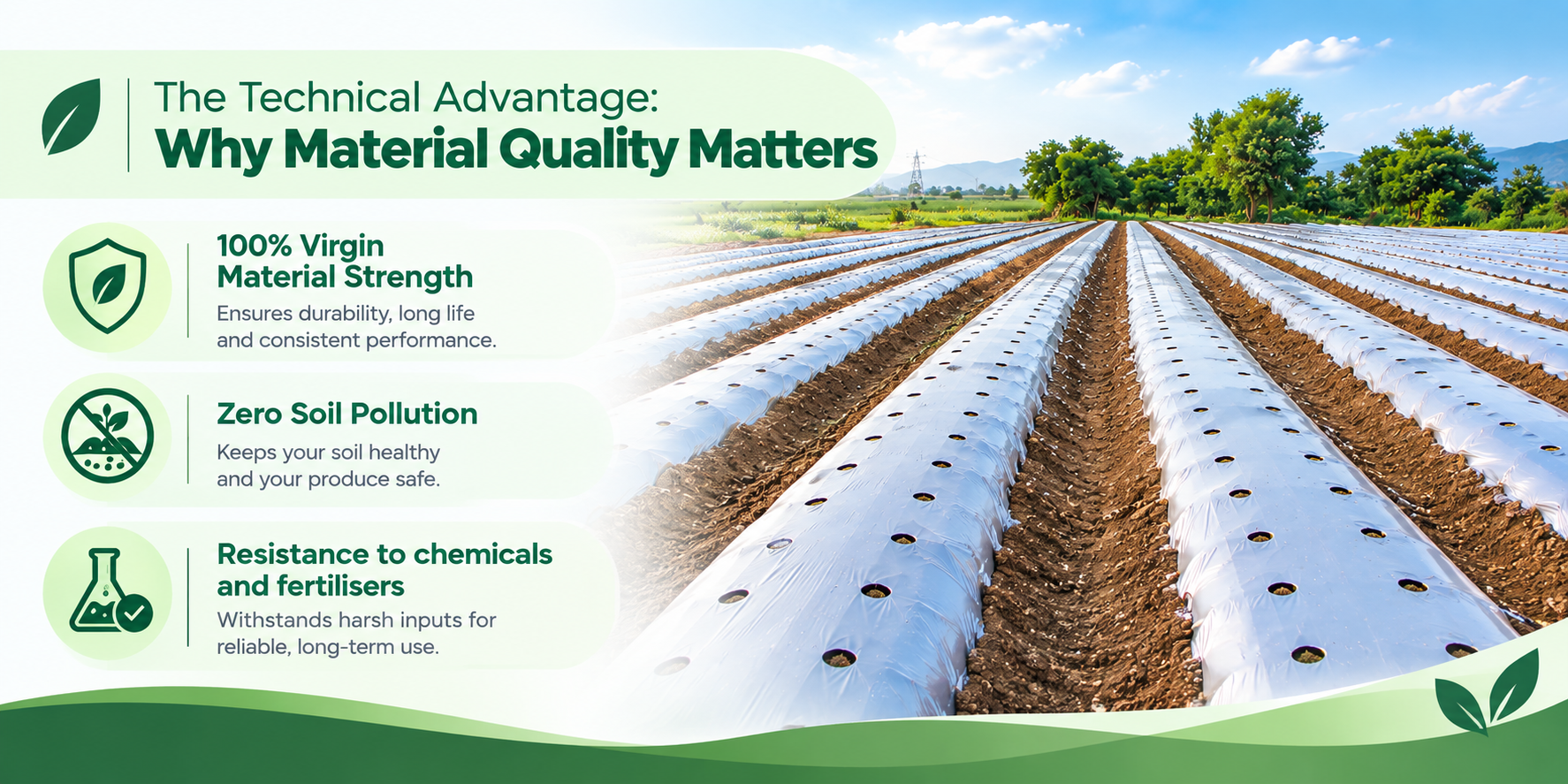
- 100% Virgin Material Strength: The material is 100% virgin and strong, since mulch films made from pure virgin polymers won’t tear when installed mechanically or by hand.
- Zero Soil Pollution: Low-quality local film breaks down into small plastic pieces (“tukde”) which stay trapped in the soil and thus gradually destroy its fertility and structure. In contrast, the advanced GreenPro mulch film maintains its structural integrity throughout the crop cycle. It can therefore be easily pulled out and cleanly removed from the field after harvesting.
- Resistance to chemicals and fertilisers: Modern fields are exposed to a variety of agrochemicals, fertilisers and fumigants. High-performance agricultural films show excellent resistance to sulphur and chlorine, so plastic will not break down too early when exposed to sulphur burners or aggressive fertigation chemicals.
Choosing the Right Mulch Film and Colour Specifications for Your Crop
Since weather and temperature conditions differ greatly from one area to another, choosing the right mulch film colour and thickness is important for success. GreenPro offers 7-layer mulch films in special colours which have been designed for particular climatic requirements:
- Black & Black Mulch: Best suited to areas or seasons where the main objective is maximum weed control, since it prevents light from passing through and completely suppresses weed growth. The mulch is also used in cooler areas or hilly regions with low temperatures to absorb heat and raise root-zone temperatures, promoting better early growth.
- White & Black Mulch: In high-temperature areas, use white and black mulch. The white top layer reflects intense sunlight and keeps root temperatures down, preventing severe heat stress. The black layer below, on the other hand, prevents weeds and helps the roots stay healthy.
- Silver and Black Mulch: Silver and Black mulch film is most effective in winter or during the monsoon season when the average temperature is about 30°C to 32°C; the silver side reflects sunlight, keeps back certain insect pests (such as thrips and whiteflies), and provides a balanced level of warmth, while the black side prevents weed growth.
How Mulch Film Helps Farmers Cut Cultivation Costs
The benefits of advanced mulch film extend far beyond higher yields:
- Lower Labour Expenses: It greatly reduces labour costs by almost eliminating the need for manual weeding.
- Water Efficiency: Water efficiency reduces evaporation and decreases the need for frequent irrigation.
- Nutrient Optimisation: It prevents fertiliser leaching that results from open flooding.
It reduces chemical costs by decreasing the need for weedicides and helps reduce fruit spoilage caused by contact with the soil.
You can’t increase vegetable harvests simply by adding more inputs; you need to use each resource efficiently. Advanced mulch films from reliable Indian manufacturers such as GreenPro Ventures’ 7-layer mulch film range can help protect soil moisture, suppress tenacious weeds, resist strong agrochemicals such as sulphur and chlorine, and support improved soil management practices.
If farmers choose mulch films made from high-quality virgin material and designed for the local climate and crops, they can achieve healthier crops, better-quality produce, lower input costs, and long-term soil sustainability. Using the right mulch film helps farmers adopt more efficient, productive, and sustainable cultivation methods.
FAQ
This is a thin plastic film placed over crop beds to block sunlight, help retain soil moisture, and control weeds. Films with advanced features, such as 7-layer virgin polyfilms, can also regulate soil temperature and resist agricultural chemicals.
Mulch film promotes more vigorous root growth and healthier plants by reducing weed competition, retaining soil moisture, and stabilising root-zone temperature, which in turn leads to larger fruit sizes and higher yields.
Crops such as tomatoes, chillies, capsicums, cucumbers, watermelons, and brinjals perform very well because they need constant moisture, clean separation of the fruit, and a weed-free root area.
Cheap local mulch film breaks down quickly in UV light and, when removed, tears into small pieces called “tukde” that stay embedded in the soil and can permanently damage soil health. In contrast, high-quality virgin film stays intact and can be removed cleanly and easily after harvesting.
Modern greenhouses and high-tech farms often use sulphur (to manage pests and diseases) and irrigation or cleaning agents containing chlorine. Mulch films that are resistant to both sulphur and chlorine do not break down or crack prematurely in the field.