
Why Winter Farming Needs Non-Woven Crop Covers
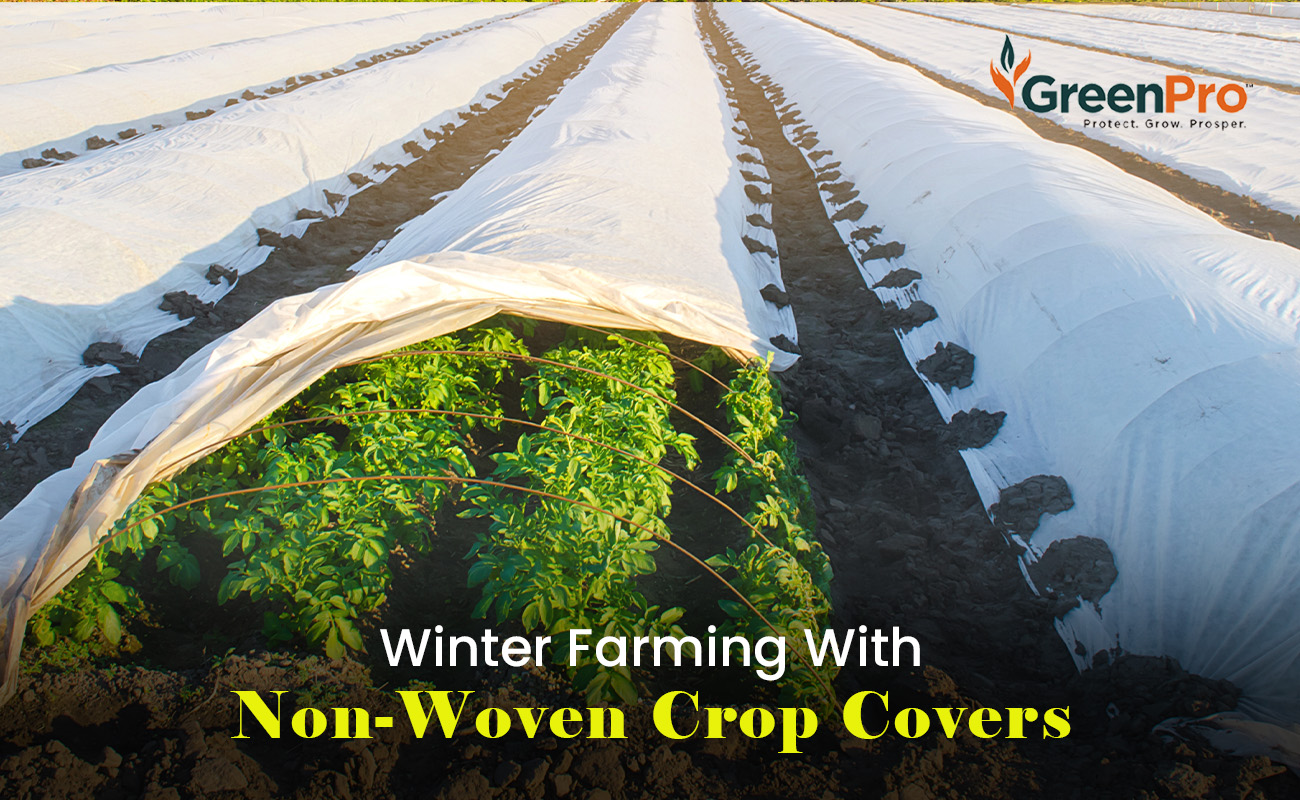
Winter farming comes with its own set of challenges. As temperatures fall, cold winds intensify, and frost forms on exposed crops, growers often struggle to maintain plant health and consistent growth. Traditional open-field cultivation becomes risky, and even hardy crops can be stressed when weather conditions fluctuate. This is where non-woven crop covers become a valuable tool in protected cultivation, helping farmers safeguard their crops and secure better yields during the winter season.
What Are Non-Woven Crop Covers?
Non-woven crop covers are lightweight fabrics made from spun-bonded polypropylene. Unlike woven fabrics, they are formed by bonding long fibres together, creating a breathable, flexible sheet that can be placed directly over crops. The material allows air, moisture, and light to pass through while protecting against cold weather, pests, and excessive sunlight.
Because the fabric creates a gentle greenhouse effect, it helps maintain a stable microclimate around the plants. This controlled environment supports healthier root activity and more balanced growth even when outside conditions are harsh.
What Makes Non-Woven Crop Covers Special?
Non-woven crop covers are made from spun-bonded polypropylene, a fabric that is soft, flexible and permeable. Unlike plastic sheets, this material allows sunlight, air and moisture to pass through. This balance of protection and breathability ensures that crops remain insulated from external stress while still receiving the natural elements required for growth.
The fabric also creates a warm microclimate underneath. This greenhouse-like effect raises the temperature around the crop bed and protects plants from sudden cold shocks that are common in winter. For farmers seeking low-cost protected cultivation methods, this is one of the most practical solutions.
How Non-Woven Crop Covers Help in Winter
Frost and Cold Shield
During winter nights, frost is one of the biggest threats to crops. Non-woven crop covers retain heat from the soil and block direct exposure to freezing air. This prevents frost from settling on leaves and tender shoots. Even a few degrees of temperature lift under the cover can make the difference between survival and crop failure.
Stable Microclimate for Better Growth
Winter often brings sharp temperature swings between day and night. These fluctuations stress plants and slow down photosynthesis. By moderating wind, humidity and temperature, non-woven covers create a more stable growing environment that encourages continuous growth, even in colder months.
Early Sowing and Extended Harvest
With better protection from cold, farmers can start crops earlier in the season and continue harvesting later. This extended growing window helps increase overall yield and improves market opportunities when vegetable prices are higher in winter.
Natural Pest Protection
The fine structure of non-woven fabric prevents insects, birds and rodents from damaging crops. Since pests cannot physically reach the plants, farmers depend less on chemical pesticides. This leads to cleaner produce and a healthier farming ecosystem.
UV and Wind Barrier
Winter sunlight can still be harsh in dry regions, and strong winds can easily weaken or uproot small plants. Non-woven crop covers shield plants from direct radiation and reduce wind impact. This leads to stronger stems, better leaf development and reduced physical damage.
Improved Soil Moisture Retention
Winter air is often dry, and evaporation is faster due to strong winds. The cover reduces moisture loss from the soil and maintains a more balanced soil temperature. This helps plants stay hydrated and reduces irrigation needs, saving both water and effort.
Weed Reduction
By blocking sunlight from reaching the soil surface, non-woven covers slow weed growth. Reduced weed pressure means less competition for nutrients and labour savings for farmers.
Why Protected Cultivation Needs Non-Woven Covers
Protected cultivation aims to provide plants with a controlled environment so that weather conditions do not affect their performance. While structures like greenhouses or tunnels offer advanced protection, not every farmer can invest in them. It provides a practical middle ground.
They allow farmers to protect crops directly in open fields without major infrastructure. The covers create a semi-controlled environment that reduces climatic stress and enhances plant vigour. For small and large farms alike, this material improves consistency, crop health and profitability during winter.
Practical Tips for Using Non-Woven Crop Covers
- Choose a breathable cover to ensure proper air and moisture movement.
- Avoid placing the cover too tightly; leave enough room for plant growth.
- Secure the edges with soil or pegs to prevent shifting in the wind.
- Monitor temperature on warmer days and lift the cover slightly if overheating occurs.
- Use UV-treated covers for more extended durability and repeated seasonal use.
How Non-Woven Covers Contribute to Sustainable Farming
The adoption of non-woven crop covers supports more sustainable farming practices. By reducing pesticide need, lowering water usage and minimizing crop mortality, they help farmers produce more with fewer resources. The covers are reusable for multiple seasons, making them a cost-efficient and eco-friendly choice.
For farmers focusing on residue-free or organic cultivation, these covers provide a chemical-free way to improve crop protection, especially during winter, when plants are more vulnerable.
Winter doesn’t need to slow down your farm’s productivity. With non-woven crop covers, you can protect your crops from frost, cold winds, pests and moisture loss while ensuring a stable environment for healthy growth. These covers are low-cost, easy to install and highly effective for both small and large farms practising protected cultivation.
GreenPro Ventures offers non-woven crop covers designed specifically for Indian climatic conditions. The material is breathable, durable, and UV-stabilised, ensuring long-lasting performance throughout the winter season. Each crop cover is engineered to create a gentle greenhouse effect, helping farmers achieve better germination, stronger root development and uniform crop growth.
FAQ
Non-woven covers trap soil warmth and shield plants from frost, cold winds and temperature fluctuations. They create a stable microclimate that helps crops continue growing even when outdoor conditions are harsh.
Yes, they are suitable for vegetables, nurseries, floriculture and young seedlings. However, the GSM and size should be chosen based on crop height, sensitivity and local winter severity for best results.
High-quality, UV-stabilised covers can last multiple seasons if handled and stored correctly. Durability depends on fabric GSM, exposure to sunlight and how carefully the covers are used and maintained.
No, non-woven crop covers are designed to be breathable. They allow sufficient light, air and moisture to pass through while still protecting against cold, pests and wind.
Yes, they reduce the need for pesticides, improve soil moisture retention and support chemical-free crop protection. This makes them an excellent choice for organic and residue-free farming systems.