The Difference Between Hay And Silage
Like most other things in life, when it comes to food, most people prefer to opt for natural ones. The food you feed your animals directly impacts their health and the quality of products you derive from them. When it comes to feeding livestock, farmers have a few popular options. One of these is silage or preserved pasture. It allows farmers can feed their livestock when grazing is not available.
Silage: What Is It?
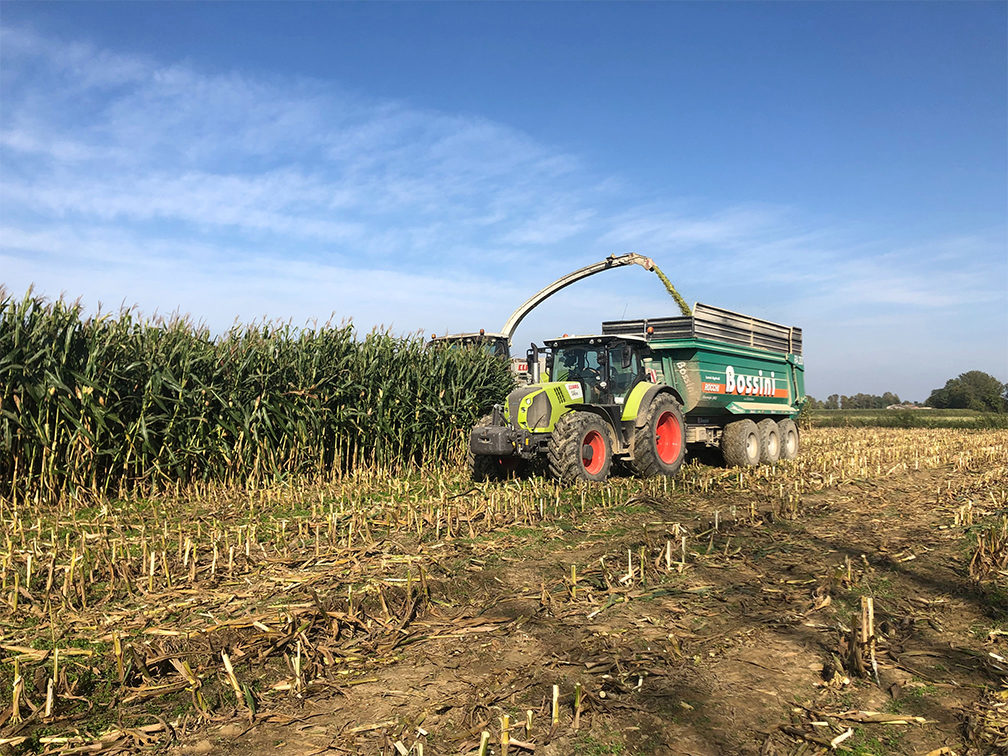
The term “silage” to refer a product formed using any green plant material that undergoes fermentation in the absence of air. When there is plenty of green fodders, farmers conserve them as silage to meet the demand for good quality fodder during the non-grazing seasons. Silage is succulent green roughage preserved more or less in its original condition, with minimum deterioration and minimum loss of nutritional constituents of fodders.
Hay: What Is It?
Hay is a plant that undergoes cutting, dried, and storing for animal feed. Although farmers transform the most plant into hay, clover and alfalfa are the most nutritious ones. Farmers make hay from stems, leaves, and seed heads of fresh plants. When it has the most nutritious value, they undergo cutting and baling and then consumed by the livestock.
Silage and Hay: What’s The Difference?
Both silage and hay are popular ways of feeding livestock when they cannot graze during winter or a drought. They comprise grass and undergo a preservation method of forage.
Despite the overarching similarities, these two have several differences. Besides their primary differences, they have several distinctions. These include:
- Moisture content: While silage has more moisture content, ranging between 40% and 60%, hay usually has less moisture content, which is 12%.
- Storage methods: Farmers compact and store silage in silage sheets, an airtight condition that prevents them from drying. In contrast, hay undergoes mowing, which the farmers then dry and store in bales.
- Digestive capabilities: Animals cannot digest hay. On the other hand, since silage is partially digestible, they receive more nutrition from silage.
Why Do Farmers Prepare Silage?
Since the process of making silage is quite extensive to that of making hay, the most obvious question is why farmers prefer silage to hay. It is due to the nutritional value. Farmers store silage crops in silage sheets. These airtight bags retains plenty of moisture, allowing them to retain a higher percentage of nutrients than the dry storage option.
The best part of silage is that you need to add any nutrients; however, it preserves the existing nutrients. It helps the cattle and sheep stay healthy and strong even during the dry winter season. Furthermore, silage offers more energy than hay. It is a high-energy source for livestock, making it a cost-effective option for feeding grazing cattle.
Why Choose Silage Sheets from GreenPro Ventures?
GreenPro Ventures is a prominent name offering a one-stop solution for advanced technical textiles and films used in protected cultivation. We aim to create highly customized solutions, such as silage sheets, to cater to individual customers’ requirements. Our seven-layered silage sheets offer better tear and puncture resistance and increased performance. We paint them white on the outside to reflect the light and reduce heat transfer and black underneath to absorb heat and light.
FAQ questions
Q: What is silage?
Silage is a type of preserved pasture made from green plant material that undergoes fermentation in the absence of air. It’s a nutritious feed option for livestock, especially during non-grazing seasons.
Q: What is hay?
Hay is a dried and stored plant material used as animal feed. It’s made from stems, leaves, and seed heads of fresh plants, and is often used to feed livestock when grazing isn’t possible.
Q: What’s the difference between silage and hay?
The main differences between silage and hay are:
– Moisture Content: Silage has a higher moisture content (40-60%) compared to hay (12%).
– Storage Methods: Silage is compacted and stored in airtight conditions, while hay is dried and stored in bales.
– Digestive Capabilities: Silage is partially digestible, providing more nutrition to animals compared to hay.
Q: Why do farmers prefer silage over hay?
Farmers prefer silage due to its higher nutritional value, which is preserved through the fermentation process. Silage retains more nutrients and provides more energy to livestock, making it a cost-effective option.
Q: What are the benefits of using silage sheets?
Silage sheets from GreenPro Ventures offer several benefits, including:
– Better Tear and Puncture Resistance: Our seven-layered silage sheets are designed to withstand the rigors of storage and handling.
– Increased Performance: The white exterior and black interior of our silage sheets help to reflect light and reduce heat transfer, preserving the quality of the silage.
Q: Why choose GreenPro Ventures for silage sheets?
GreenPro Ventures is a leading manufacturer of agricultural films, agrotextiles, and roofing underlayments. Our silage sheets are designed to provide customized solutions for individual customers, ensuring high-quality products that meet their specific needs.