
How to Choose the Right Greenhouse Film for Different Crop Types
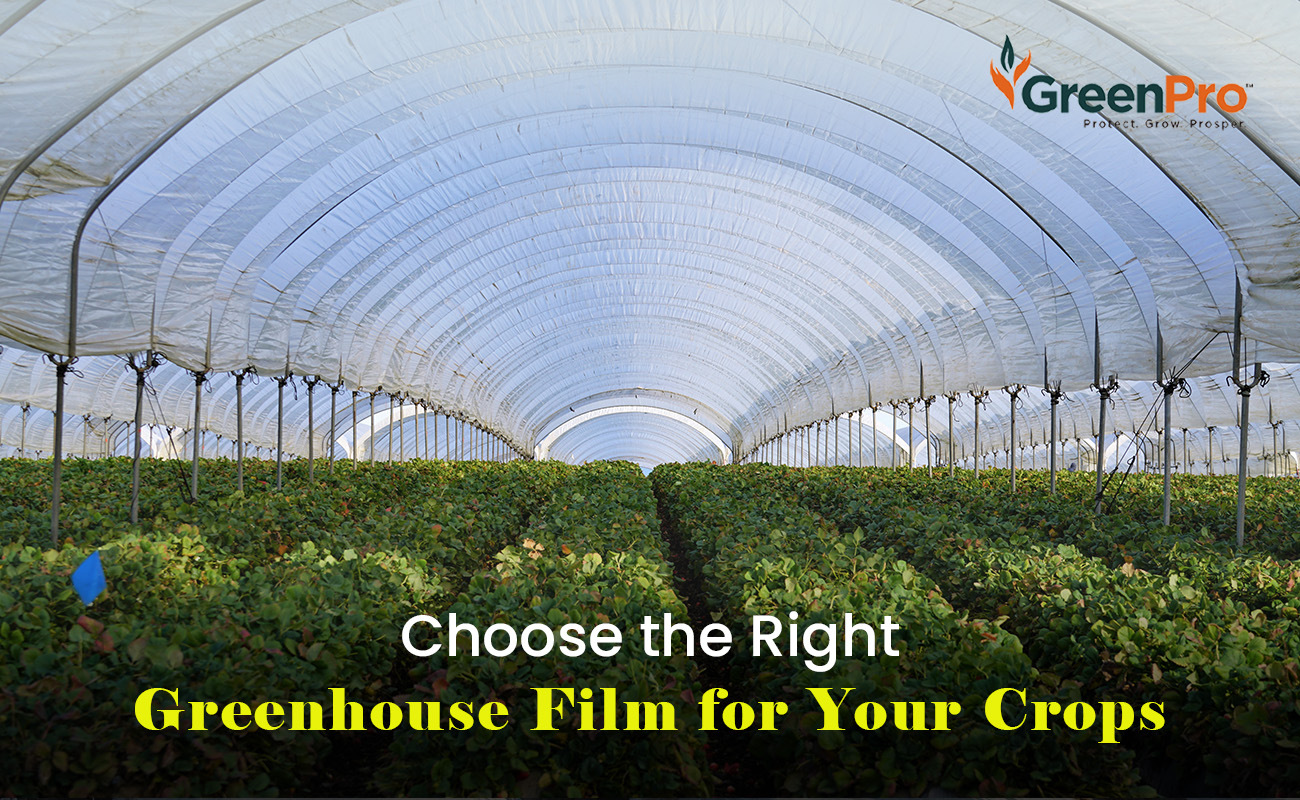
The success of a modern protected agriculture operation hinges on a single, critical decision: the choice of your greenhouse plastic film. This film is far more than just a cover; it’s a sophisticated environmental modifier that directly dictates light quality, temperature regulation, and humidity control. Getting this choice wrong can stifle yields, but choosing smartly can dramatically enhance crop quality and profitability.
The Strategic Role of Your Greenhouse Plastic Film
In India and globally, leading greenhouse film manufacturers are producing films specifically engineered to meet the needs of various plants. A one-size-fits-all approach simply won’t work. Different crops require different light spectra and temperature ranges to thrive. Understanding these needs allows you to select a film that acts as a custom climate control system.
When selecting a greenhouse film, you must consider three primary factors: Light Transmission, Thermal Retention, and Durability.
Customizing Film for High-Value Crops
1. Tomatoes 🍅: The Light-Hungry Heavy Producer
Tomatoes are sun worshippers. They require high levels of Photosynthetically Active Radiation (PAR) light, ideally above 1000 μmol/m²/s, for optimal fruit setting and production.
- Smart Film Choice: Look for a film with a high total light transmission (around 90% or higher) and anti-drip properties.
- Thermal Need: Tomatoes grow best in daytime temperatures of 21°C to 27°C. A Thermic Film is crucial in cooler regions. It traps long-wave infrared radiation (LWIR) at night, preventing cold shock and maintaining a consistent temperature, thus reducing energy costs efficiently.
- Key Feature: Often, a Diffused Film is preferred. It scatters the intense sunlight, ensuring light reaches the lower leaves. This prevents ‘sunscald’ on the fruit while maximizing the plant’s photosynthetic capability differently from direct light.
2. Cucumbers 🥒: The Heat and Humidity Lover
Cucumbers thrive in warm, high-humidity environments. They are generally more tolerant of lower light levels than tomatoes, but are highly susceptible to powdery mildew.
- Smart Film Choice: Cucumbers benefit significantly from High Thermal Retention. Maintaining night temperatures above 18°C is vital for continuous, rapid growth.
- Anti-Drip: This is non-negotiable. Condensation dripping onto cucumber leaves is a major pathway for fungal diseases. An Anti-Drip (AF) Film ensures water runs down the sides, keeping the leaf canopy drier.
- UV Block: Some growers opt for UV-blocking films to help control whiteflies and mildew spores, which often prefer specific UV light conditions. This controls pests effectively without relying heavily on chemicals.
3. Cut Flowers 🌸: Quality Over Quantity
For flowers like roses, gerberas, or orchids, the goal is often to achieve a specific stem length, bloom size, and intense colouration, which requires manipulating light spectra more precisely.
- Smart Film Choice: A film that provides Selective Light Filtering is paramount. For example, some ‘Red’ or ‘Pink’ enhancing films selectively filter out specific green light wavelengths, promoting vegetative growth (longer stems) and intensifying color.
- Thermal Need: Different species have specific needs, but stable conditions are universally important. A Thermic Film is used to avoid dramatic temperature swings that can cause flower abortion or deformities.
- Diffused Light: Diffused light minimizes shadowing, ensuring uniform growth across the entire bench. The light is distributed differently but effectively, giving every plant equal opportunity.
The GreenPro Ventures Advantage: A Trusted Partner
Choosing the right greenhouse film is a highly technical decision. At GreenPro Ventures, we understand that growers in India need robust, certified, and climate-appropriate solutions. Our advanced films, manufactured to the highest international standards, are not just coverings; they are high-performance engineering materials designed for longevity and maximum yield. We ensure that your choice of greenhouse plastic film aligns perfectly with your crop’s physiological requirements and the challenges of your regional climate. Our films are built for exceptional durability, minimizing the need for costly and disruptive replacements.
Investing in Light is Investing in Yield
The days of generic greenhouse films are over. To remain competitive and maximize your return on investment, you must approach your film choice strategically. Whether you need high-intensity diffused light for your tomatoes, high humidity control for your cucumbers, or spectral filtering for vibrant flowers, the right greenhouse film is your most powerful tool.
Don’t leave your yield to chance. Talk to our expert team today to get a customized film recommendation that optimizes your specific crop environment and elevates your success!
FAQ
[/vc_row]
Thermic film contains special additives that block long-wave infrared Radiation (LWIR) from escaping the greenhouse at night. This significantly reduces heat loss, saving energy and maintaining a more stable nighttime temperature, which is essential for many crops.
Anti-drip film modifies the surface tension of condensation, causing water to run down the sidewalls rather than dripping onto the leaves. This is crucial for cucumbers and other sensitive crops as it prevents the spread of fungal diseases like powdery mildew.
Diffused film scatters sunlight evenly across the canopy, ensuring lower leaves receive usable light and minimizing sharp shadows. This reduces leaf burn, prevents sunscald on fruits, and promotes more balanced, uniform growth across the entire crop area.
UV-blocking film is beneficial for controlling certain pests and reducing mildew. However, some flowers require UV light for deep coloration. Always check your specific crop’s light needs, as blocking UV can sometimes negatively affect pollination or fruit quality in certain varieties.