Choosing the Right Shade Net to Maximize Seedling Survival Rates
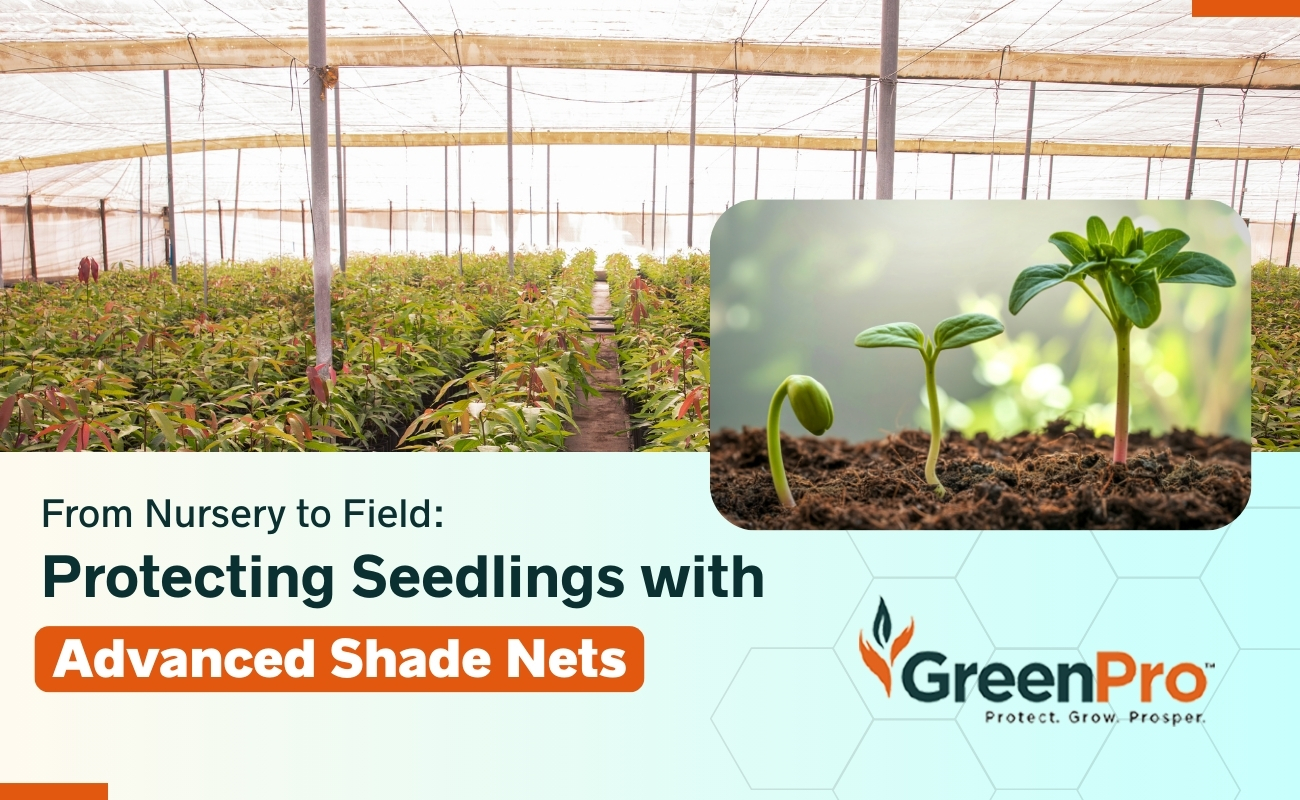
In the high-stakes world of nursery management, the first few weeks of a plant’s life are the most critical. Every experienced grower has faced the heartbreak of seeing a healthy batch of germinated seeds wither within hours due to a sudden spike in heat or excessive solar radiation. Seedlings are incredibly delicate biological units that are highly sensitive to moisture loss and temperature fluctuations. Field observations consistently show that improper shade selection is a primary driver of nursery losses. Choosing the wrong agriculture shade net not only delays growth but can also permanently stunt the plant’s vascular development or lead to total crop failure. High survival rates depend on creating a perfectly balanced microclimate that mimics a plant’s natural early environment.
Understanding Shade Percentage and Its Importance
The “shade factor” or percentage is the most vital technical specification to understand. It determines exactly how much sunlight is blocked from reaching the plant canopy.
- 35% Shade: This level is ideal for sun-loving vegetable seedlings like tomatoes and peppers that require high light intensity but need protection from peak midday scorching.
- 50% Shade: This is the industry standard for most fruit saplings and general-purpose nurseries in tropical climates.
- 75% Shade: This high density is reserved for ornamental plants like orchids or for the initial stages of tissue-culture plantlets, which are extremely prone to desiccation.
Precision is key because over-shading reduces photosynthesis and leads to “leggy” or weak stems. Conversely, shading causes severe heat stress and leaf burn.
Colour and Material Selection of Shade Nets
The colour of a greenhouse shade net is not merely aesthetic; it changes the quality of light reaching the seedling.
- Green Nets: These are the most popular because they enhance the natural spectrum for foliage growth and provide a calming light environment.
- Black Nets: These excel at heat absorption and are often used in cooler regions to maintain a warmer ambient temperature inside the nursery.
- White or Aluminet: These reflect light and are superior for temperature control in extreme summer zones, keeping the nursery significantly cooler.
Regardless of color ensure the material is high-quality HDPE with proper UV stabilisation. Without UV protection, the Indian sun will turn a standard net brittle and useless within a single season.
Installation and Structural Considerations
Proper installation is just as important as the material itself. A shade net manufacturer designs these products for use under specific tension.
- Height: Ensure the net is installed at a sufficient height to allow for hot air to rise and escape.
- Tension: The net should be drum-tight to prevent sagging, where water or heat pockets can form.
- Ventilation: Never completely seal a nursery. Proper orientation should allow for airflow to prevent high humidity, which often leads to fungal “damping off” diseases.
Crop Specific Recommendations
Different plants have unique light requirements based on their genetic makeup and local climate.
- Tomato and Capsicum: These thrive best under a 35% to 50% green net to maximize vigor.
- Leafy Vegetables: Spinach or lettuce nurseries benefit from 50% shading to prevent early bolting caused by heat stress.
- Grafted Fruit Plants: These require a higher shade factor of 50% to 75% during the critical union phase to prevent the graft from drying out before it heals.
Common Mistakes in Shade Net Usage
Many growers choose a higher shade percentage than required, thinking “more is better” for protection. This actually weakens the seedling and reduces its likelihood of surviving the eventual transplant to the open field. Another frequent error is ignoring seasonal variation. A net that works in the mild winter may be insufficient for the harsh May sun. Furthermore, using non UV-stabilised nets or allowing the net to sag due to poor installation creates an unstable environment that fluctuates wildly with the weather.
Quality and Long-Term Durability
Durability in the field is a product of engineering. A properly knitted net will not unravel if accidentally punctured. As a leading Shade Net Manufacturer, GreenPro Ventures focuses on consistent mesh structures and superior UV stabilisation. These solutions are engineered to maintain their shading factor over several years of intense exposure, ensuring that your investment in seedling health is protected season after season.
Selecting the right shade net is an essential technical decision for any nursery aiming for near 100% survival rates. By matching the shade percentage and color to your crop’s specific needs, you lay the foundation for a high-yield harvest. If you are looking to optimise your nursery environment, consult the experts at GreenPro Ventures to choose a reliable agriculture shade net that delivers consistent field performance.
FAQ
[/vc_column_text][/vc_column][/vc_row]Green nets are generally better for promoting healthy photosynthesis in young seedlings. Black nets are better for absorbing heat and providing high UV protection in cooler climates.
If the shade is too heavy (above 50%), the fruit may not develop enough sugar. It is important to choose the right “shade percentage” based on your specific crop.
A high-quality UV-stabilised net should last 3 to 5 years, even under intense sunlight, depending on the GSM and installation tension.
Yes, shade nets can help reduce frost damage by trapping a small amount of ground heat and preventing cold winds from directly hitting sensitive seedling tissues.