
The Role of Cladding Material in Agriculture
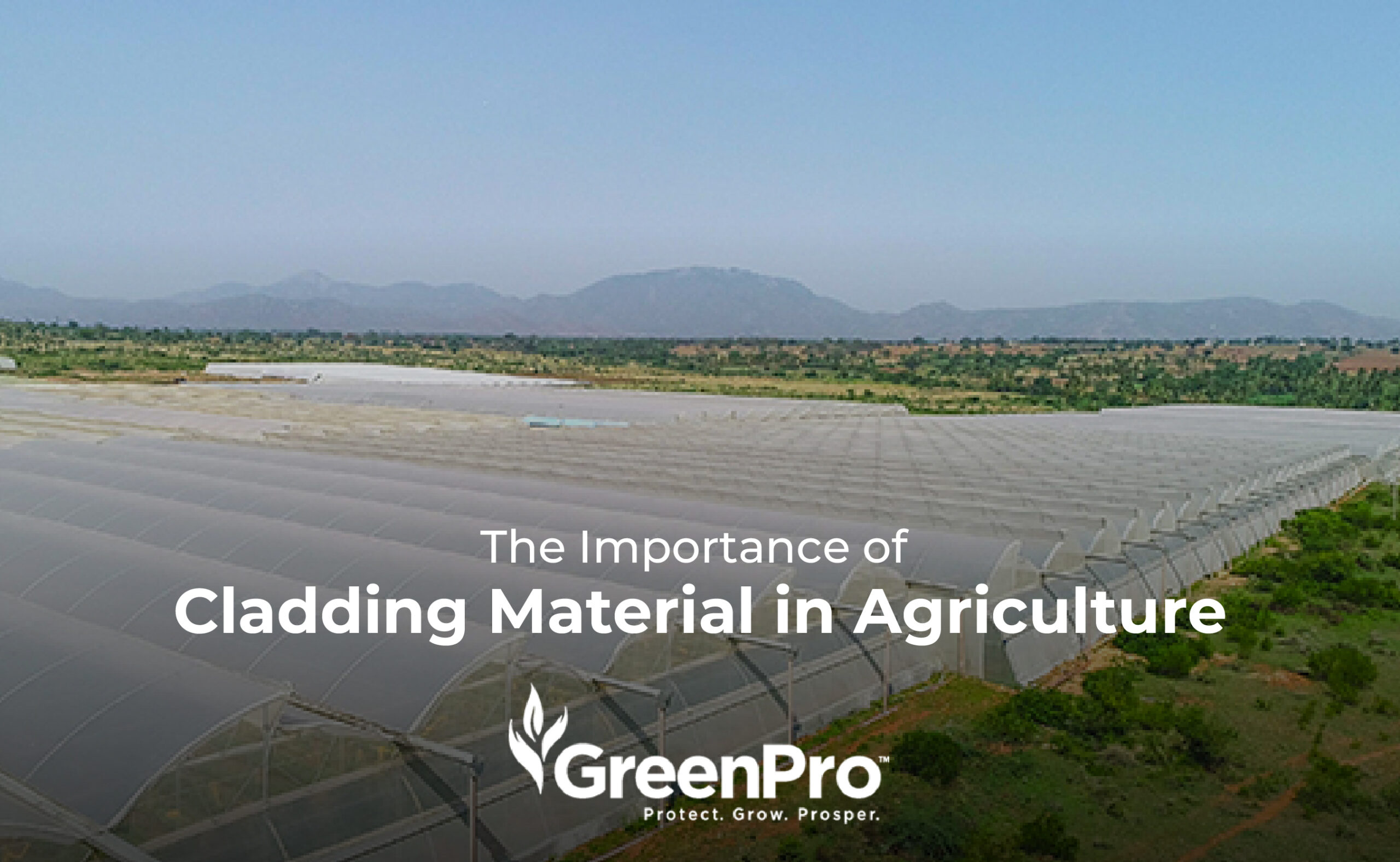
Agriculture is undergoing a transformative shift nowadays. With the increasing need for sustainable and efficient food production, innovative technologies and materials are playing a crucial role. Among these, cladding material emerges as an often overlooked yet indispensable component.
What is Cladding Material?
Cladding Material is essentially the protective covering of a structure. In agriculture, it primarily refers to the material used to enclose greenhouses or other controlled environment structures. It plays a pivotal role in determining the success of a cultivation operation.
The Importance of Cladding Material
- Optimizing Light Transmission: Sunlight is the lifeblood of plants. The right cladding material allows for optimal light penetration, ensuring photosynthesis occurs efficiently. Different crops have varying light requirements, so selecting the appropriate cladding is essential.
- Temperature Regulation: Maintaining the ideal temperature is crucial for plant growth. A good cladding material acts as an insulator, preventing excessive heat loss during cold periods and reducing heat ingress during hot weather. Due to this it also contributes to lower operational costs.
- Protection from Adversities: It serve as a shield against harsh weather conditions such as rain,wind, hail, and pests. It protects crops from damage and creates a controlled environment for optimal growth.
- Durability and Longevity: The lifespan of a greenhouse or controlled environment structure depends largely on the durability of its cladding material. A material that can withstand environmental stresses and maintain its properties over time is essential for long-term investment.
- Cost-Effectiveness: While the initial cost of cladding material is a factor, its long-term benefits in terms of crop yield, energy savings, and reduced maintenance outweigh the investment. Choosing a cost-effective yet high-performance material is crucial for overall profitability.
Types
One can choose cladding material depending on various factors. Some of these factors include climate, type of crop, budget, and even the desired level of control.
- Polyethylene (PE) films: Widely used for their light transmission and cost-effectiveness. They come in different thicknesses and with additives for specific properties.
- Polycarbonate sheets: Offer high light transmission, impact resistance, and insulation. It will be beneficial especially for regions with extreme weather conditions.
- Glass: Provides excellent light transmission but is heavy and prone to breakage. It’s often used in research facilities or high-end commercial greenhouses.
- Textile fabrics: Used for shade nets and insect screens, these materials offer specific protection while allowing for ventilation.
Why choose GreenPro Ventures?
At GreenPro Ventures, we understand the critical role of cladding material in achieving agricultural excellence. We are expert in providing innovative and high-quality cladding solutions according to the specific needs of our clients. We offer a wide range of options, from traditional polyethylene films to advanced polymer-based materials, ensuring that you find the perfect fit for your operation.
By partnering with GreenPro Ventures, you can optimize your crop production, reduce costs, and contribute to a more sustainable future. Let us help you harness the power of cladding and unlock the full potential of your agricultural endeavors.
Frequently Asked Questions
- What is cladding material in agriculture?
Cladding material is a protective covering used to enclose greenhouses or controlled environment structures, playing a crucial role in determining the success of a cultivation operation.
- What are the benefits of using cladding material?
Cladding material offers several benefits, including:
– Optimizing Light Transmission: Allowing for optimal light penetration for photosynthesis.
– Temperature Regulation: Maintaining ideal temperatures for plant growth.
– Protection from Adversities: Shielding crops from harsh weather conditions and pests.
– Durability and Longevity: Withstanding environmental stresses and maintaining properties over time.
– Cost-Effectiveness: Providing long-term benefits in crop yield, energy savings, and reduced maintenance.
- What types of cladding materials are available?
Some common types of cladding materials include:
– Polyethylene (PE) Films: Widely used for light transmission and cost-effectiveness.
– Polycarbonate Sheets: Offering high light transmission, impact resistance, and insulation.
– Glass: Providing excellent light transmission but heavy and prone to breakage.
– Textile Fabrics: Used for shade nets and insect screens, offering specific protection while allowing ventilation.
- How do I choose the right cladding material?
When choosing a cladding material, consider factors such as:
– Climate: Selecting materials suitable for your region’s weather conditions.
– Type of Crop: Choosing materials that meet the specific needs of your crops.
– Budget: Considering the initial cost and long-term benefits.
– Desired Level of Control: Selecting materials that provide the desired level of control over the growing environment.