
How Cladding Films Help Protect Crops During Monsoon and Heatwaves
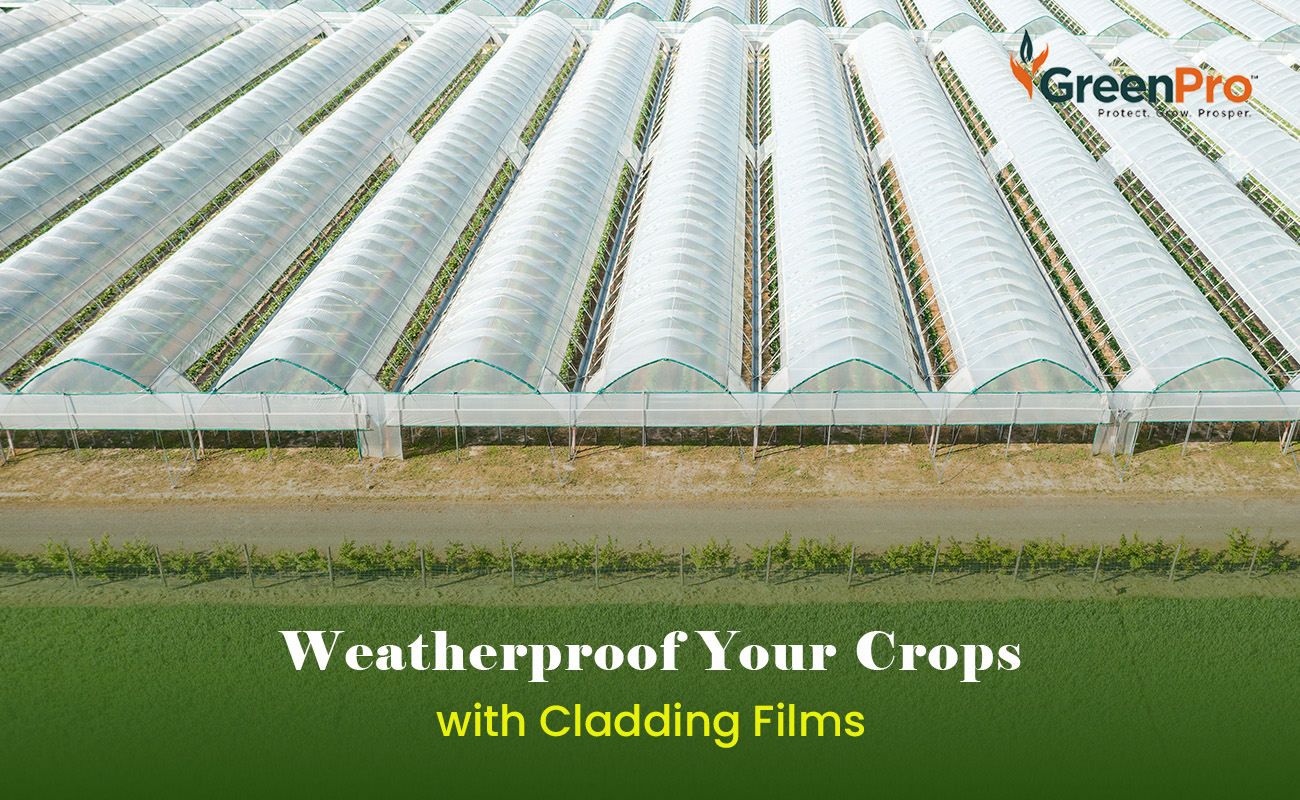
With unpredictable weather patterns becoming the new norm, Indian farmers are constantly battling extremes—scorching heatwaves in the summer and torrential rains during the monsoon. These climatic extremes not only affect crop yield but also pose serious risks to soil quality, plant health, and the overall sustainability of farming. In this evolving agricultural landscape, cladding films have emerged as silent yet powerful allies for farmers looking to protect their crops and secure their livelihoods.
Understanding Cladding Films
Cladding films, in simple terms, are protective sheets designed to cover greenhouses and polyhouses. But they are far more than just plastic covers. These films are engineered with advanced polymers, UV stabilizers, and thermal insulation properties to create a controlled microclimate around crops. This not only shields plants from harsh environmental factors but also helps optimize light, moisture, and temperature—three pillars of healthy crop growth.
Monsoon Mayhem: How Cladding Films Offer Protection
The monsoon is both a blessing and a challenge. While it brings much-needed water, it can also lead to soil erosion, fungal diseases, and physical damage to delicate plants due to strong winds and excessive rainfall.
Cladding films act like a raincoat for your greenhouse. They deflect heavy rains while maintaining proper ventilation inside, ensuring crops aren’t waterlogged. More importantly, they reduce the humidity levels that lead to fungal outbreaks, such as downy mildew and blight. For crops like tomatoes, capsicum, or floriculture plants, this protection is vital during the unpredictable Indian monsoon season.
Additionally, modern cladding films are often anti-drip and anti-dust. The anti-drip property prevents water droplets from condensing and falling on crops, which could otherwise lead to rot or fungal infections. Anti-dust coatings, on the other hand, ensure optimal light transmission by keeping the film surface clean and clear.
Beating the Heat: Cladding Films in Summer
Heatwaves have become increasingly common in recent years, with temperatures soaring beyond 45°C in several parts of India. Excessive heat can cause heat stress, sunscald, and stunted growth in crops. Here, cladding films again come to the rescue.
By incorporating infrared (IR) blocking and UV stabilizing technologies, these films regulate internal temperatures. They filter out harmful solar radiation while still allowing essential light to penetrate. This ensures that plants receive the sunlight they need for photosynthesis without the stress of excess heat.
Some cladding materials even have light-diffusing properties. Cladding materials diffuse light evenly over the plant canopy, reducing exposure to harsh rays and boosting uniform growth and productivity.
More Than Just a Cover: A Smart Investment
Farmers who have shifted to protected cultivation using cladding films often report better yields, reduced input costs, and year-round production. From a sustainability standpoint, these films also reduce the dependency on chemical sprays (thanks to lower pest and disease incidence) and help conserve water by reducing evaporation.
Moreover, as policies and subsidies around climate-resilient agriculture continue to expand, investing in cladding films is not just a protective measure; it’s a step toward future-proofing Indian agriculture.
Final Thoughts
In a world where climate unpredictability is the only constant, cladding films are proving to be a smart, science-backed solution to age-old farming challenges. Whether it’s the heavy rains of the monsoon or the blistering heat of summer, these protective covers offer a controlled, nurturing environment for crops to thrive.
At GreenPro Ventures, we believe that innovation in agriculture doesn’t always have to be high-tech or high-cost. Sometimes, it’s as simple and as transformative as a well-designed cladding film.