
How Anti-Insect Nets Protect Crops from Monsoon Pest Attacks
The monsoon season is a lifeline for Indian agriculture. Rain brings fertility to the soil and supports the growth of countless crops. But with this blessing also comes a big challenge for pests. High humidity, damp soil, and lush green fields create the perfect environment for insects to multiply rapidly. Farmers often struggle to protect their crops from attacks during this season, leading to reduced yields and heavy losses.
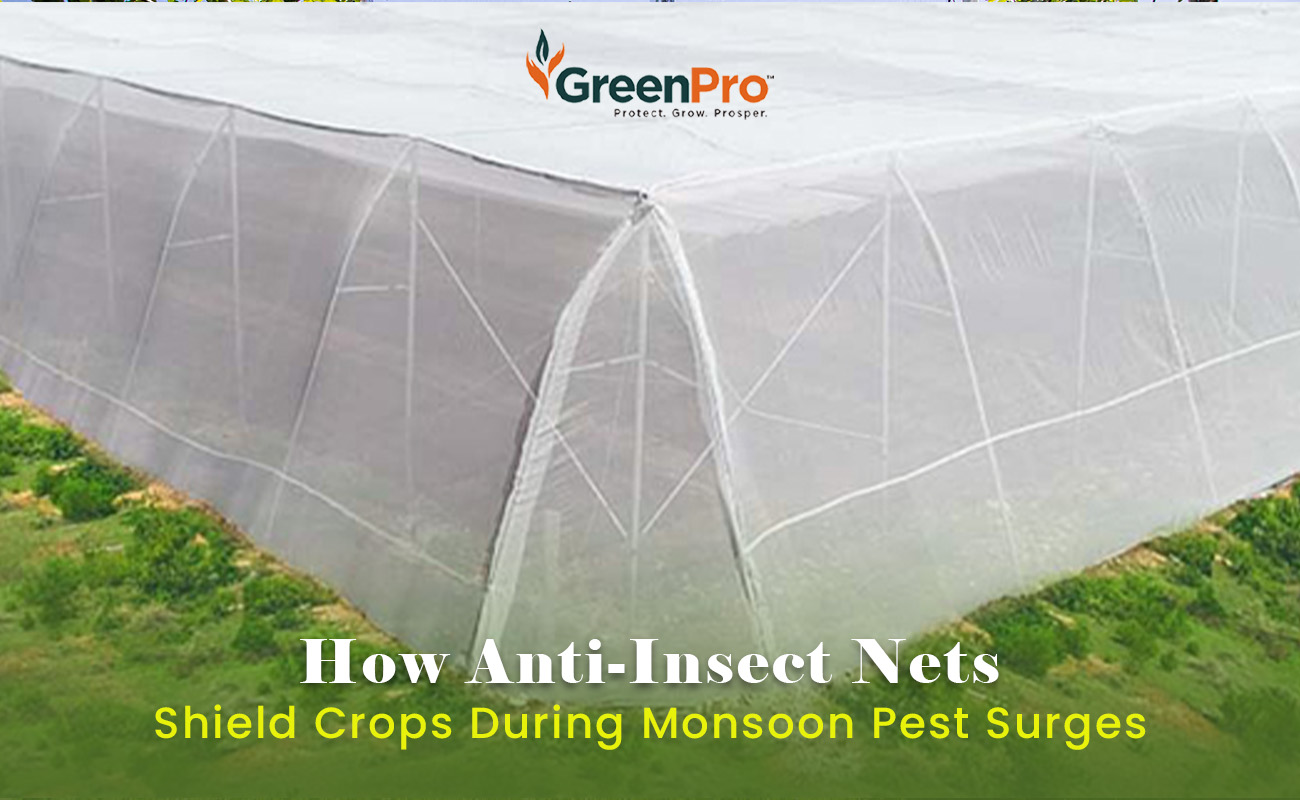
One effective solution that is becoming popular across farms and nurseries is the use of anti-insect nets. These nets act as a physical barrier, reducing the need for excessive pesticides while keeping crops safe during the most vulnerable months.
Why Pests Are Worse in Monsoon
Moist conditions during monsooon provide the ideal breeding ground for pests like aphids, thrips, whiteflies, and leaf miners. These insects not only damage the crop directly but also spread plant diseases quickly from one field to another. Traditional chemical sprays often fall short because heavy rains wash them away, requiring repeated applications that increase costs and affect soil health.
This is where anti-insect nets offer a more reliable and sustainable line of defense.
How Anti-Insect Nets Work
Anti-insect nets are finely woven mesh structures designed to block insects from entering crop areas. They are usually installed around greenhouses, nurseries, or even open fields as protective fencing.
Here’s what they do:
- Physical Barrier: The mesh size is small enough to prevent insects from crossing over, but still allows air and sunlight to pass through.
- Reduced Humidity Stress: Insect nets improve airflow and reduce dampness, making it harder for pests to survive.
- Long-Lasting Protection: Unlike sprays that need constant reapplication, a good quality net can protect crops for years with minimal maintenance.
Benefits Beyond Pest Protection
While their main job is keeping insects out, anti-insect nets also offer added advantages:
- Improved Yield Quality: With fewer pest attacks, crops grow healthier, leading to better market value.
- Lower Pesticide Usage: Farmers can cut down on chemical sprays, saving costs and promoting eco-friendly farming.
- Protection from Harsh Weather: Nets also act as a shield against strong winds and heavy rains, which are common during monsoons.
- Disease Control: Since insects are often carriers of plant viruses, keeping them away helps reduce disease spread.
Choosing the Right Anti-Insect Net
Not all Insect nets are the same. The effectiveness depends on the mesh size, material quality, and durability. A high-quality anti-insect net should:
- Withstand monsoon rains and UV exposure.
- Be fine enough to block small insects like whiteflies.
- Allow sufficient sunlight and airflow so that plant growth is not affected.
At GreenPro Ventures, we design and supply anti-insect nets that are tested for durability and performance. Our nets provide farmers with reliable protection, season after season, without compromising on crop growth conditions.
A Smarter Way to Farm During Monsoon
For farmers, monsoon brings both opportunities and risks. While water availability supports growth, pest attacks can undo months of hard work in a matter of days. Investing in anti-insect nets is not just about preventing damage; it’s about ensuring consistent yields, reducing chemical dependency, and moving towards a more sustainable form of farming.
With the right nets in place, farmers can enjoy the benefits of the rains without the fear of pests taking over their fields.
In short, Anti-insect nets are more than just protective covers; they are a long-term solution for healthier crops, better yields, and eco-friendly farming, especially during the monsoon season.